The Cognavitron — hover for details · click to navigate · double-click for full size
Bioacoustics
bioacoustics
deep-learning
passive-acoustic-monitoring
species-detection
Passive acoustic monitoring, species detection, and deep learning for bioacoustic data — from field recording to automated inference pipelines.
Passive acoustic monitoring (PAM) is one of the most powerful tools available for ecological research and conservation — sensors can run continuously, cover large areas, and detect species that are rarely seen but reliably heard. The challenge is turning raw recordings into actionable information at scale.
My work in this area spans the full pipeline: field recording, signal processing, deep learning model development, and species detection. Current projects address problems of data scarcity, class imbalance, and domain shift — the practical obstacles that limit how well acoustic classifiers perform in real ecological settings. I am also developing open tools and workflows to make these methods more accessible to researchers and conservation practitioners who collect acoustic data but lack a machine learning background.
Avian Bioacoustics
Current work applies deep learning to avian acoustic monitoring. I am developing classifiers and detection pipelines for challenging real-world recording conditions — dealing with environmental noise, overlapping vocalizations, and limited labeled training data.
The recordings are collected at field sites using autonomous recording units. Not everything on the soundtrack is the target species. For example, meet a local contributor to the ambient soundscape:
A higher-quality reconstruction using a HiFi-GAN vocoder trained on the dataset is also in progress — smoother and more realistic, but not shown here yet.
Full details to follow as manuscripts are in preparation.
Pinniped Acoustics
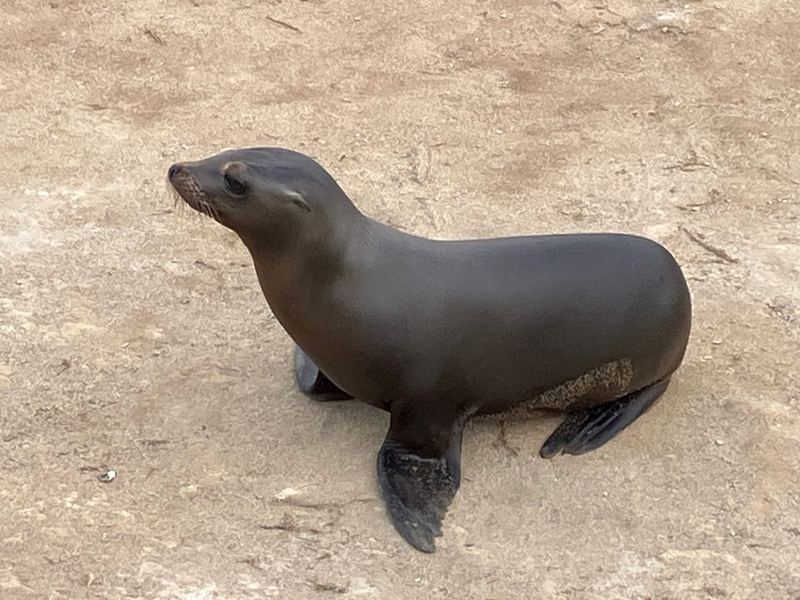
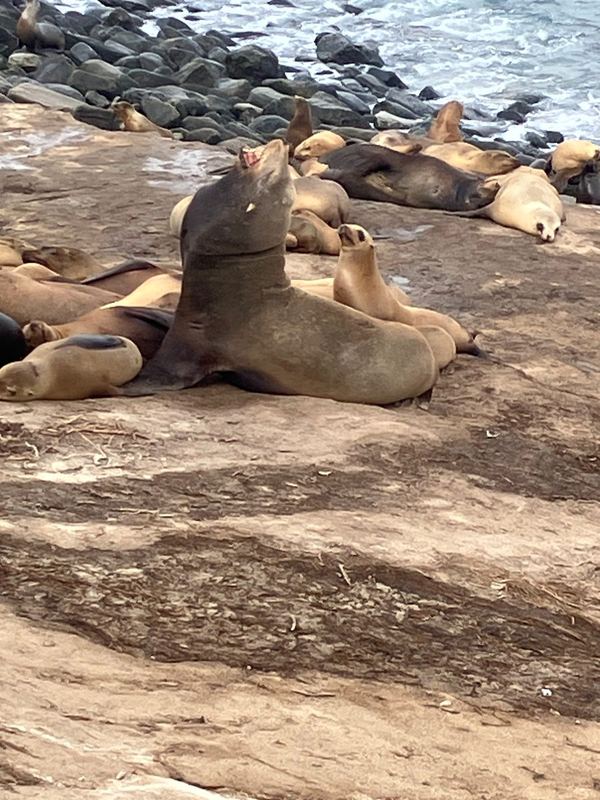
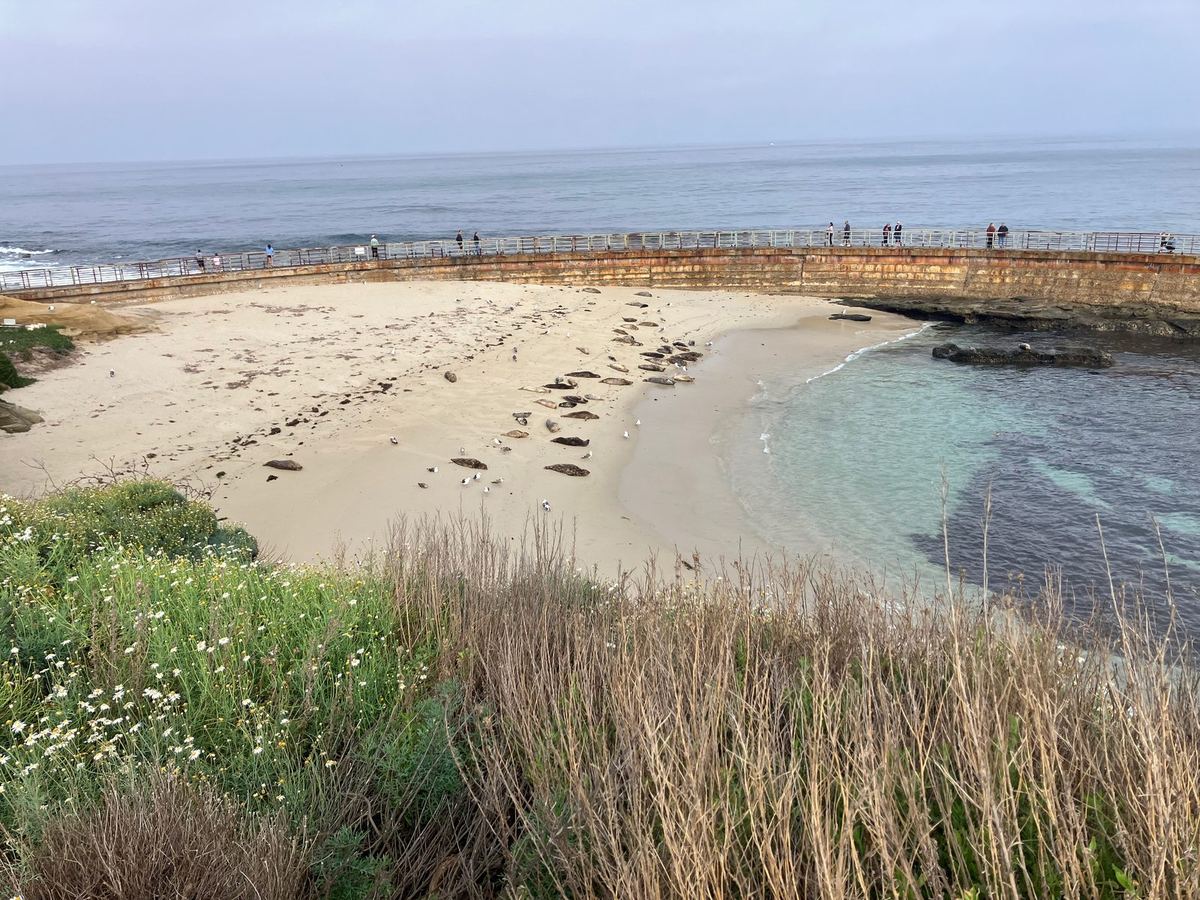
California sea lions (Zalophus californianus) and harbor seals (Phoca vitulina) are year-round residents along the local coastline. Sea lions are highly vocal; harbor seals considerably less so. Passive acoustic monitoring offers a way to track presence, behavior, and activity patterns without requiring continuous human observation.
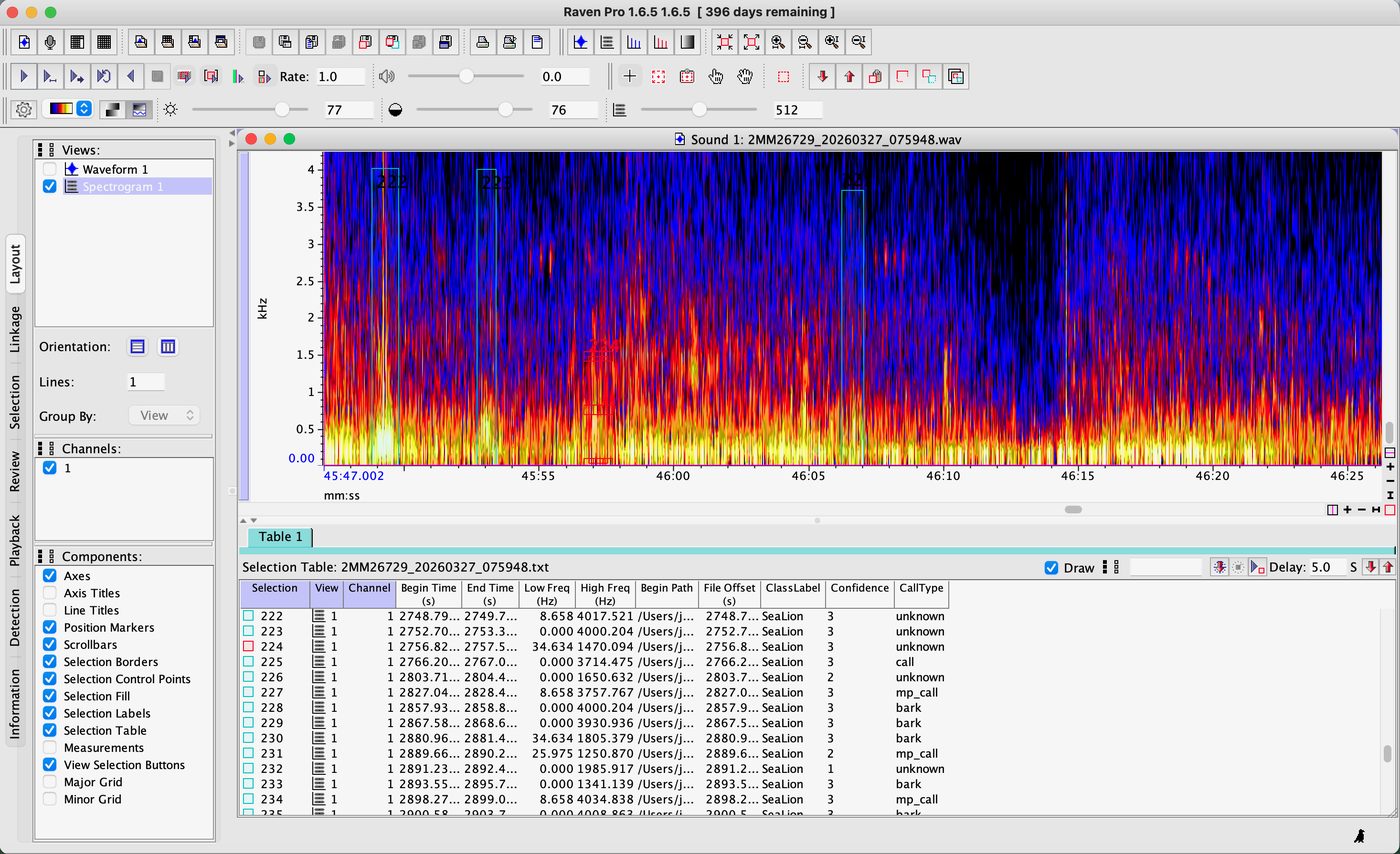
A key part of any acoustic monitoring pipeline is manual annotation — labeling vocalizations in spectrograms to build training datasets. The screenshot below shows a Raven Pro annotation session with sea lion calls identified and labeled across a recording.
Full details to follow as work develops.