The Cognavitron — hover for details · click to navigate · double-click for full size
Ocean
ocean
freediving
sharks
marine-life
The ocean is four billion years old and practically a Goddess. Freediving, sharks, and what the water teaches.
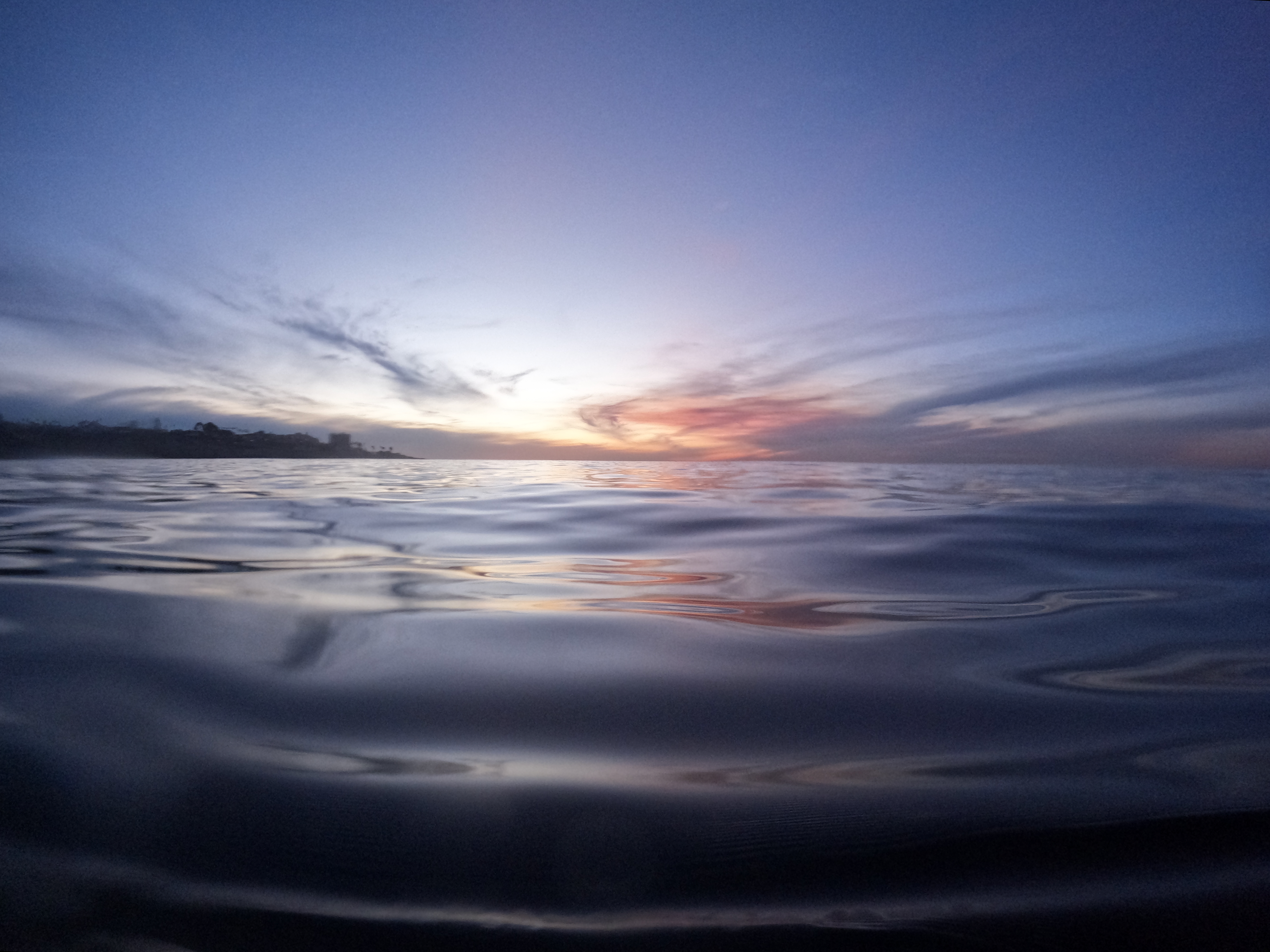
Swim out into the ocean alone before dawn. The bioluminescent dinoflagellates light up around you each time you move or a swell passes by. It’s like swimming among stars. You feel the energy exchange between your body and the Ocean water. A swell lifting you up and setting you back down. You’re out in the Ocean alone. You hear a sea lion, or something, break the surface and drop back under water. Something is hunting out here. And you’re part of the ecosystem whether you realize it or not. It will take you about two microseconds to feel the vast energy and power in the water and understand who is really in control.
Freediving is the same. You are placing your trust in the Ocean, your body, your training and equipment, your freediving partners. It is trust and surrender to the Ocean. It is, in essence, a spititual experience.
I often think about how the Ocean is a strange and ancient thing. Loren Eiseley wrote, in his 1957 Book The Immense Journey, that “If there is magic on this planet, it is contained in water.” Water itself is a strange substance and where you find water Life is possible. Now imagine a planetary-scale body of salt water, several billion years old, from which all life on Earth emerged. It drives the climate, the oxygen cycle, and the food webs that everything else depends on. It is a vast reservoir of energy on which all life on Earth depends.
This is why the ocean matters to my work. Not as a study site or a data source — as the thing that makes the work make sense. The bioacoustics, the passive acoustic monitoring, the work on how to listen to living systems at scale — it all comes from the same source as the freediving. A felt sense of what is actually out there, what it sounds like, what it is doing, why it matters. You cannot fake that from a desk.
Freediving
After a snorkeling trip to Molokini during a visit to Maui and Oahu in 2014, I started freediving. Back in San Diego, I found Dive California and trained with Michael Timm, completing SSI and PADI freediving certifications.
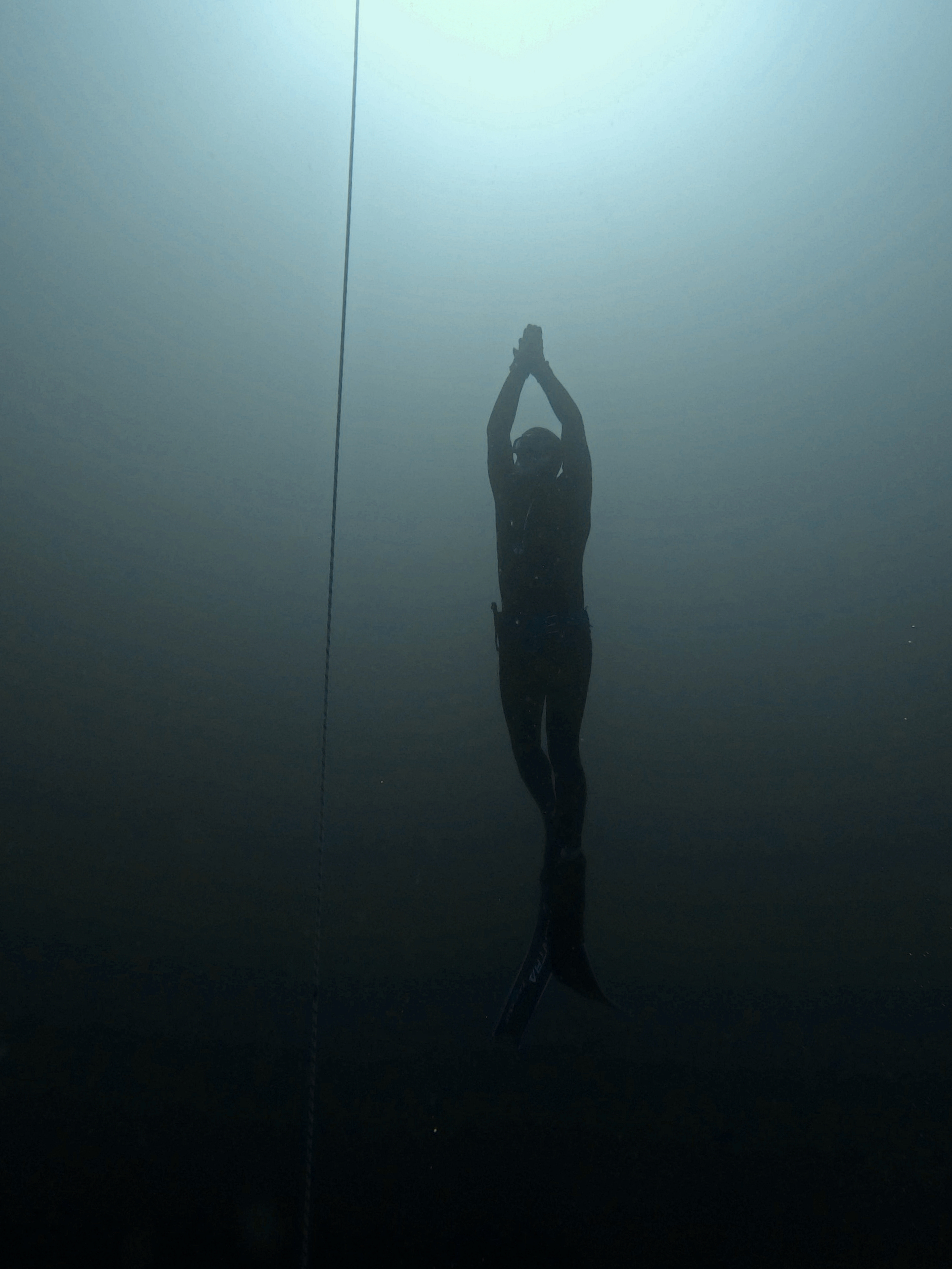
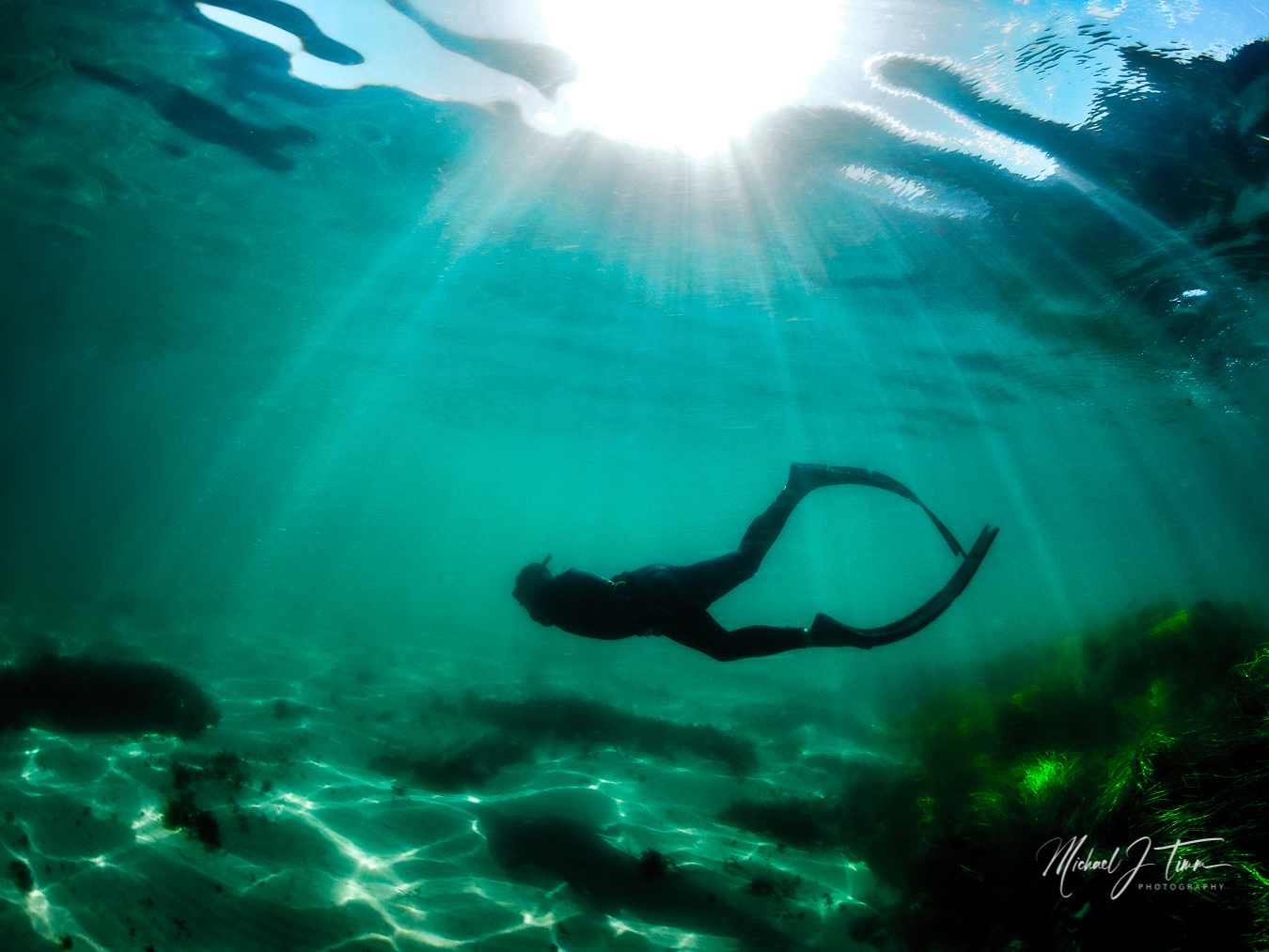
I do a lot of line diving, but my favorite thing is to explore marine environments and encounter wildlife — not as a researcher, just as a creature in the water with other creatures. Freediving has been one of the most positive things I have ever done for myself. It is also, without question, a spiritual experience.
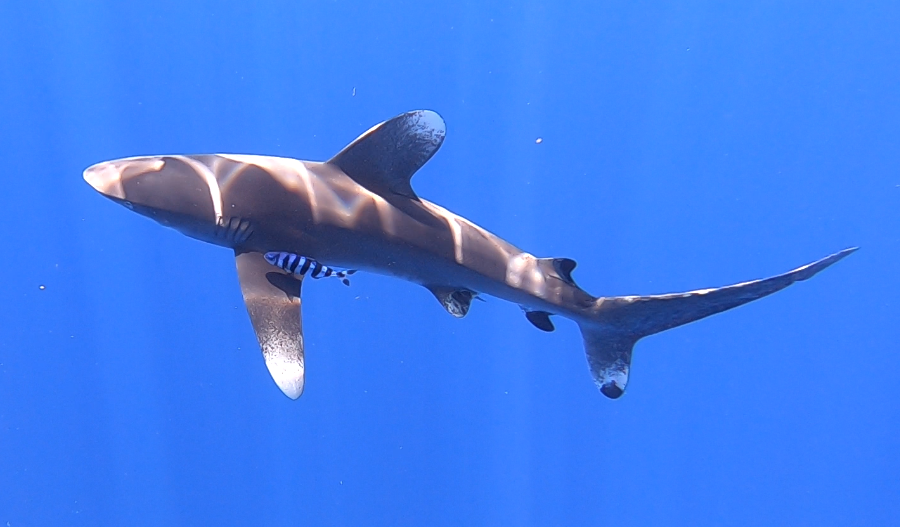
Here I share some of the places and animals I have encountered. More stories to come.
Sharks
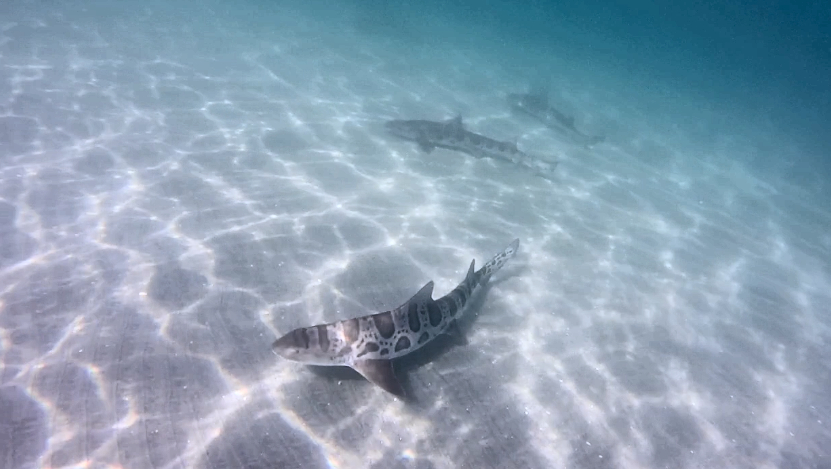
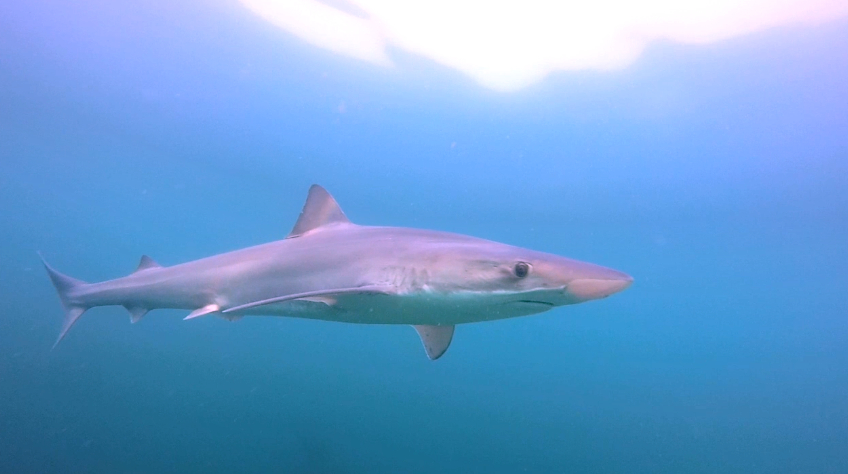
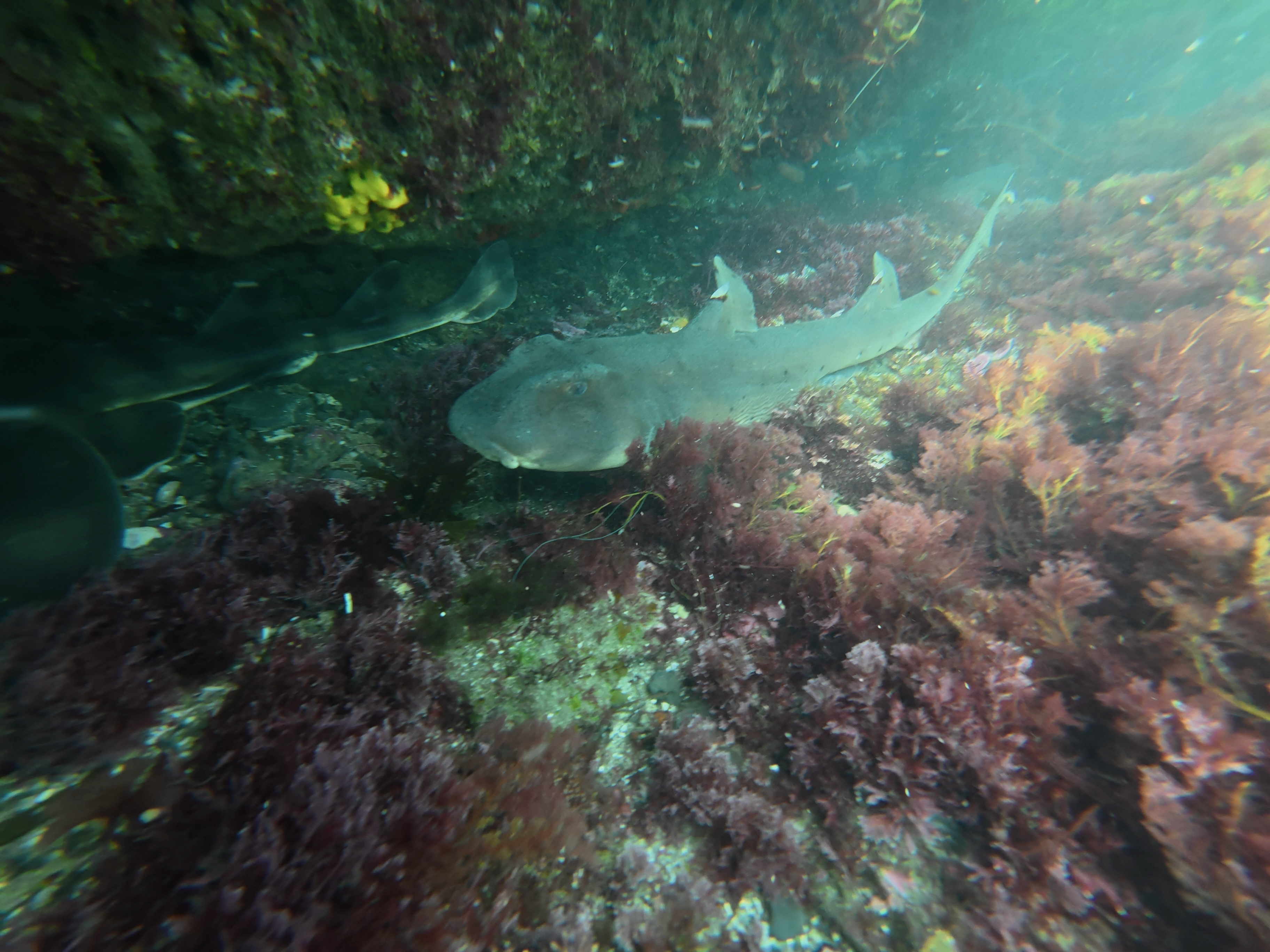
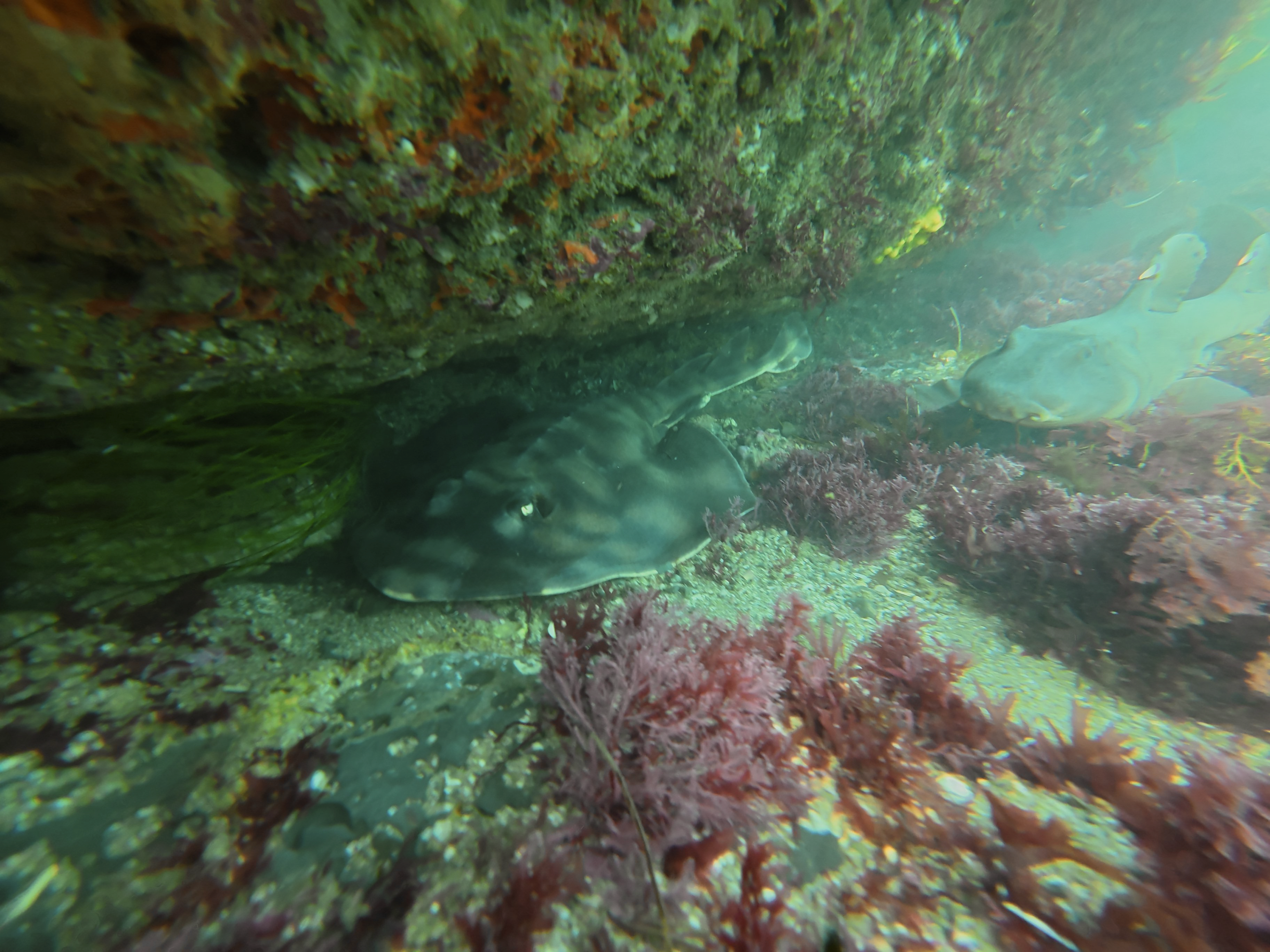
Broadnose sevengill shark (Notorynchus cepedianus) — San Diego kelp forest. (Video: Jeff A. Tracey)
Sea Turtles
More to come.